A bannock recipe delivers a simple, versatile quick bread using flour, baking powder, salt, fat, and liquid. This traditional native bread works by combining dry ingredients, cutting in fat, adding liquid to form a dough, then baking or frying until golden brown.
Bannock bread recipe options serve home baking needs, outdoor cooking adventures, and cultural food preservation. The easy bannock recipe provides main benefits: no yeast required, minimal ingredients, flexible cooking methods, and adaptable flavors.
Main uses include campfire favourite meals, breakfast accompaniments, soup sides, and snack options. Main parts or components of a bannock recipe involve Bannock Ingredients (all-purpose flour, baking powder, salt, lard or oil, milk or water), dough preparation steps, shaping techniques, and cooking method choices (oven baking, fry pan, cast iron, campfire).
What is Bannock?
Bannock is a traditional native bread with roots in Scottish cuisine and Indigenous culture across North America. First Nations history shows bannock became a staple food for Indigenous peoples, including the Okanese First Nation, Cree, Nakoda, and Ojibwe communities.
Traditional bannock uses simple ingredients: flour, baking powder, salt, fat (lard, shortening, or oil), and liquid (milk or water). The bannock bread recipe produces a dense, hearty quick bread that cooks quickly over open flames or in home ovens. Bannock holds cultural significance as both sustenance and symbol of resilience within Indigenous cuisine.
Types of Bannock
Bannock variations include oven-baked bannock recipe, fried bannock recipe, traditional bannock recipe, modern bannock recipe, gluten-free bannock recipe, and vegan bannock options.
Cooking methods create distinct textures: skillet fried bannock yields crispy edges, oven baking produces even crumb structure, campfire bannock develops smoky flavor.
Flavor profiles range from sweet bannock recipe (cinnamon sugar, dried fruit) to savory bannock recipe (herbs, cheese). Regional adaptations reflect local ingredients and cultural preferences across Canada, Northern Ontario, and Indigenous communities throughout North America.
Scottish Bannock
Scottish bannock originates as an unleavened oat-based flatbread cooked on a griddle or baked in an oven. Traditional Scottish bannock uses rolled oats, all-purpose flour, baking powder, salt, butter, and water. The texture falls between a cracker and a scone—dry, earthy, and sturdy enough for toppings.
Scottish bannock serves breakfast with eggs, afternoon snacks with cheese, or accompaniments to soups. To make Scottish bannock, grind rolled oats into oat flour, combine dry ingredients, mix in melted butter and water, rest dough 10 minutes, roll to ⅛-¼ inch thickness, then bake at 350°F (175°C) for 20-23 minutes or cook on a preheated cast iron skillet over medium-low heat for 5-10 minutes per side.

Traditional Bannock
Traditional bannock reflects Indigenous food practices adapted from Scottish settlers. Indigenous bannock recipe methods prioritize portability and open-fire cooking. Traditional Métis bannock and First Nations bannock often use lard for flavor and high-heat tolerance.
The dough mixes without yeast, relying on baking powder for lift. Historical preparation involves wrapping dough around sticks over campfires or frying in cast iron pans. Modern traditional bannock maintains these techniques while incorporating accessible ingredients.
Jodi’s Best Bannock, developed by Jodi Robson (Okanese First Nation, Cree and Nakoda heritage), exemplifies this evolution—honoring Kokums and Aunties while creating a reproducible recipe for home baking.

Cinnamon Sugar Bannock
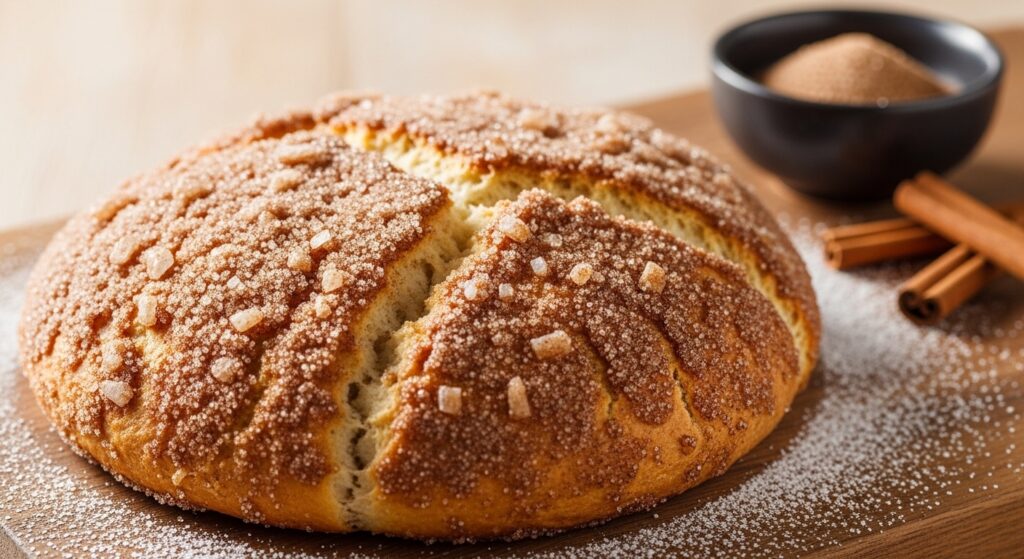
Cinnamon sugar bannock transforms the basic bannock recipe into a sweet treat. Add 1 tablespoon granulated sugar and ¼ teaspoon ground cinnamon to the dry ingredients, or sprinkle a cinnamon-sugar mixture over hot, freshly cooked bannock. Brush baked or fried bannock with melted butter before applying cinnamon sugar for better adhesion.
Serve cinnamon sugar bannock warm with coffee, tea, or hot chocolate. This bannock dessert twist works for breakfast, brunch, or after-dinner snacks. For extra indulgence, drizzle with maple syrup or honey after applying cinnamon sugar.
Why This Recipe Works
This bannock recipe works because it balances simplicity with flexibility. The ingredient ratio (4 cups flour, 2 Tbsp baking powder, 1 tsp salt, ½ cup fat, 2½ cups liquid) creates a dough that holds shape without becoming tough. Baking powder provides reliable lift without yeast fermentation time.
The method—mixing dry ingredients, cutting in fat, adding liquid, minimal kneading—prevents gluten overdevelopment, ensuring tender results. Cooking temperature (375°F/190°C for oven, medium heat for stovetop) allows interior cooking before exterior over-browning. The recipe tolerates ingredient substitutions (milk/water, lard/oil, all-purpose/whole wheat flour) without compromising structure, making it easy enough to modify for dietary needs or pantry availability.
Ingredients
- 4 cups (480g) all-purpose flour, plus extra for kneading
- 2 Tbsp (28g) baking powder
- 1 tsp (6g) salt
- ½ cup (120ml) canola oil, lard, or vegetable shortening
- 2½ cups (600ml) warm milk or water
Ingredient Notes
All-Purpose Flour
All-purpose flour provides the protein structure for bannock bread. Use 4 cups (480g) measured by spooning flour into the cup and leveling off. For whole wheat substitution, replace no more than ⅓ of the all-purpose flour to maintain tender texture. Gluten-free bannock experiment: substitute a 1:1 gluten-free flour blend, adding 1 tsp xanthan gum if not included in the blend.
Lard, etc.
Fat choices affect flavor and cooking performance. Lard delivers traditional taste and high smoke point for fry bread. Vegetable shortening works for vegetarian bannock. Canola oil, sunflower oil, or other neutral oils simplify mixing—stir directly into dry ingredients instead of cutting in. Avoid olive oil for traditional flavor; its distinct taste alters the classic bannock profile. For frying, use oils with high smoke points: canola, sunflower, or vegetable oil.
Everything Else
Baking powder (2 Tbsp) provides leavening without yeast. Salt (1 tsp) enhances flavor and controls yeast activity if using sourdough discard variations. Warm liquid (milk or water, 2½ cups) activates baking powder and hydrates flour. Warm milk adds richness; water keeps bannock dairy-free. Adjust liquid by 2-3 Tbsp based on flour absorption and humidity.
Defining Oatmeal
Oatmeal terminology differs regionally. UK “oatmeal” equals US “oat flour.” US “rolled oats” equal UK “porridge oats.” For Scottish bannock, use rolled oats ground into oat flour for crisp texture, or keep rolled oats whole for chewier bannock. Pulse rolled oats in a food processor 10-15 seconds to create coarse oat flour. Substitute oat flour 1:1 for all-purpose flour up to 25% of total flour weight for added fiber and nutty flavor.
Equipment
- Large mixing bowl
- Wooden spoon or sturdy spatula
- Measuring cups and spoons (Imperial and Metric)
- Clean work surface for kneading
- Baking sheet or cast iron skillet
- Fork for docking dough
- Parchment paper or Silpat mat (optional)
- Cast iron pan for campfire or stovetop cooking
- Tongs or spatula for flipping fry bread
How to Make Bannock
Step 1: Make the Dough
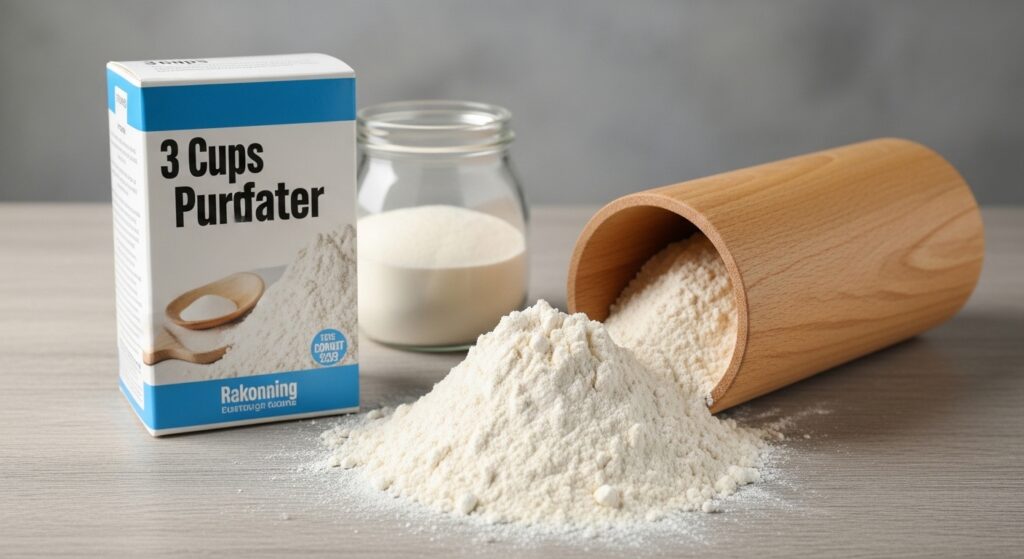
Combine 4 cups (480g) all-purpose flour, 2 Tbsp (28g) baking powder, and 1 tsp (6g) salt in a large bowl. Make a well in the center. Pour in ½ cup (120ml) oil or melted lard and 2½ cups (600ml) warm milk or water. Stir with a wooden spoon, gradually incorporating flour from the edges into the liquid center. Mix until a shaggy dough forms and no dry flour remains.
Step 2: Shape the Bannocks
Sprinkle a clean surface with flour. Turn dough onto the floured surface. Knead gently 8-10 times until dough forms a smooth, elastic ball—approximately 5 minutes. Avoid over-kneading, which develops gluten and creates dense bannock. For oven baking: transfer dough to a parchment-lined baking sheet and press into a 1-2 inch (2.5-5 cm) thick oval or round. Dock the surface with a fork to prevent large air pockets. For individual portions: divide dough into 8-12 pieces, shape into discs 1 inch (2.5 cm) thick.
Step 3: Bake the Bannocks
Preheat oven to 375°F (190°C). Place shaped dough on prepared baking sheet. Bake for 30-35 minutes until golden brown and internal temperature reaches 200°F (93°C). Rotate pan halfway through for even browning. Remove from oven, cool 5 minutes on a wire rack. Serve warm with butter, jam, or savory toppings.
Cooking Methods
Oven Baking
Oven baking produces even, consistent bannock with minimal attention. Preheat oven to 375°F (190°C). Shape dough on parchment-lined baking sheet. Bake 30-35 minutes for a large loaf, 20-25 minutes for individual portions. Check doneness by tapping the bottom—hollow sound indicates fully cooked interior. Oven-baked bannock holds shape well for slicing and storing.
Fry Bread
Fry bread creates crispy, golden exterior with tender interior. Heat 1 inch (2.5 cm) neutral oil (canola, sunflower, vegetable) in a cast iron skillet to 350°F (175°C). Test oil with a small dough piece—it should sizzle immediately. Carefully place shaped dough portions into hot oil. Fry 2-3 minutes per side until deep golden brown. Drain on paper towels. Serve hot with powdered sugar, honey, or savory toppings. Fry bread recipe yields a richer, crispier result than baked bannock.
Gemma’s Pro Chef Tips
- Keep heat low and steady when cooking bannock on a stovetop or campfire. High heat browns the exterior before the interior cooks through.
- Make buttermilk substitute if needed: add 1 Tbsp lemon juice or vinegar to 1 cup milk, let stand 5 minutes before using.
- Level baking powder and baking soda measurements. Excess leavening creates bitter aftertaste without improving rise.
- Rest dough 10 minutes after mixing if using oats—this softens the grains and improves texture.
- Divide dough into 8 equal portions for consistent cooking times and portion control.
- Add flavor variations after mastering the base recipe: 2 tsp fresh thyme, 1 cup (113g) grated cheddar, or ⅔ cup (100g) dried fruit.
- Dock dough with a fork before baking to control expansion and create traditional appearance.
- Use gloves or oiled hands when handling sticky dough to prevent tearing.
Serving Suggestions
Serve bannock warm with butter and jam for breakfast. Pair savory bannock with soups like French Canadian Pea Soup or stews. Use bannock as a base for Indian tacos: top fried bannock with seasoned ground beef, lettuce, tomato, cheese, and salsa. Make bannock breakfast sandwiches with scrambled eggs and cheese. Offer cinnamon sugar bannock with coffee or hot chocolate. Crisp leftover bannock into croutons for salads. Slice cooled bannock, toast lightly, and top with avocado and smoked salmon for an elevated snack.
Recipe Variations
- Campfire Bannock Variations: Wrap dough around a greased stick, cook over coals (not flames), rotating frequently for even browning.
- Wild Yeast Bannock: Replace baking powder with 1 cup (240ml) active sourdough starter; reduce flour to 3 cups (360g) and omit added liquid.
- Gluten-Free Bannock Experiment: Use 1:1 gluten-free flour blend plus 1 tsp xanthan gum; add 2-3 Tbsp extra liquid if dough feels dry.
- Traditional Métis Bannock: Use lard exclusively, add 2 Tbsp powdered milk to dry ingredients for richer flavor.
- Skillet Fried Bannock: Cook dough portions in ¼ inch (6mm) hot oil in cast iron skillet, flipping once, for crispy edges.
- Bannock Scone Hybrid: Add ¼ cup (50g) sugar and ½ cup (75g) dried fruit to base recipe; shape into wedges before baking.
- No-Knead Bannock Bread: Mix ingredients, let rest 30 minutes, shape gently, and bake—minimal handling yields tender crumb.
- Bannock Survival Food: Double the recipe, bake fully, cool, and store in airtight containers for emergency rations.
- Infused Herb Bannock: Add 2 Tbsp fresh rosemary, thyme, or sage to dry ingredients for savory applications.
- Bannock Frybread Alternative: Bake instead of fry for lower-fat option with similar flavor profile.
- Overnight Bannock Dough: Prepare dough, cover, refrigerate up to 12 hours; shape and cook directly from fridge, adding 2-3 minutes to cooking time.
- Savory Bannock Pizza: Par-bake bannock base, top with sauce, cheese, and toppings, finish baking until cheese melts.
- Bannock Dumpling Soup: Drop spoonfuls of wetter bannock dough into simmering broth; cook 15 minutes until puffed and cooked through.
- Vegan Bannock Options: Use plant-based milk and vegetable shortening; verify baking powder is aluminum-free for pure vegan preparation.
- Bannock Breakfast Sandwich: Split baked bannock, fill with scrambled eggs, cheese, and breakfast meat or plant-based alternative.
- Bannock Trail Rations: Bake small, dense bannock portions; dry further in low oven (200°F/95°C) for 1 hour for extended shelf life.
- Cast Iron Bannock: Cook entire loaf in preheated, oiled cast iron skillet on stovetop, then finish in oven for even cooking.
- Quick Bannock Biscuits: Shape dough into 2-inch (5 cm) biscuits; bake at 425°F (220°C) for 12-15 minutes.
- Bannock Dessert Twists: Brush baked bannock with melted butter, sprinkle with cinnamon sugar, then broil 1-2 minutes for caramelized topping.
- Crispy Bannock Croutons: Cube day-old bannock, toss with olive oil and herbs, bake at 375°F (190°C) for 10-12 minutes until crisp.
Storage Instructions
Store cooled bannock in an airtight container at room temperature for up to 3 days. Refrigerate in a sealed container for up to 1 week. Freeze bannock portions in freezer bags for up to 3 months; thaw at room temperature or reheat directly from frozen. Reheat leftover bannock in a 350°F (175°C) oven for 5-10 minutes or toast in a skillet to restore crispness. Avoid microwaving, which creates a tough, chewy texture.
Leftovers
Repurpose leftover bannock into croutons, bread pudding, or stuffing base. Cube day-old bannock, toss with olive oil and seasonings, then bake for crispy salad toppings. Use stale bannock in savory bread pudding with eggs, milk, cheese, and vegetables. Crumble bannock as a binder for meatloaf or veggie burgers. Make bannock breadcrumbs by pulsing dried pieces in a food processor; use for coating or thickening soups.
Questions Asked and Answered
What is the difference between bannock and fry bread? Bannock refers to the dough and cooking method (baked or fried), while fry bread specifically describes bannock dough deep-fried in oil. All fry bread is bannock, but not all bannock is fry bread.
Can I make bannock without milk? Yes, use water instead of milk for dairy-free bannock. The texture will be slightly less rich but still tender and flavorful.
How do I know when bannock is done baking? Bannock is done when golden brown, firm to the touch, and a toothpick inserted in the center comes out clean. Internal temperature should reach 200°F (93°C).
Can I use whole wheat flour for bannock? Yes, substitute up to ⅓ of the all-purpose flour with whole wheat flour. Using more may create a denser, heavier bannock.
Is bannock the same as scones? Bannock and scones share ingredients and techniques, but scones typically include sugar, eggs, and more fat, resulting in a sweeter, richer product. Bannock is plainer and more versatile for savory applications.
How do I make bannock in an air fryer? Shape dough into small discs. Preheat air fryer to 350°F (175°C). Cook 8-12 minutes, flipping halfway, until golden brown. Adjust time based on air fryer model and portion size.
Can I prepare bannock dough ahead of time? Yes, prepare dough, cover tightly, and refrigerate up to 12 hours. Shape and cook directly from cold, adding 2-3 minutes to cooking time.
What fat works best for traditional bannock? Lard provides authentic flavor and high smoke point for frying. Vegetable shortening offers a vegetarian alternative. Neutral oils (canola, sunflower) simplify mixing and work well for baking.
Didn’t Find the Answer You’re Looking For?
Search for “bannock recipe” variations including bannock recipe easy, bannock recipe baked, bannock recipe fried, bannock recipe campfire, bannock recipe no yeast, bannock recipe with lard, bannock recipe vegan, or bannock recipe gluten free to find specialized methods.